Beyond Translation
Building Websites That Speak Your Audience's Language
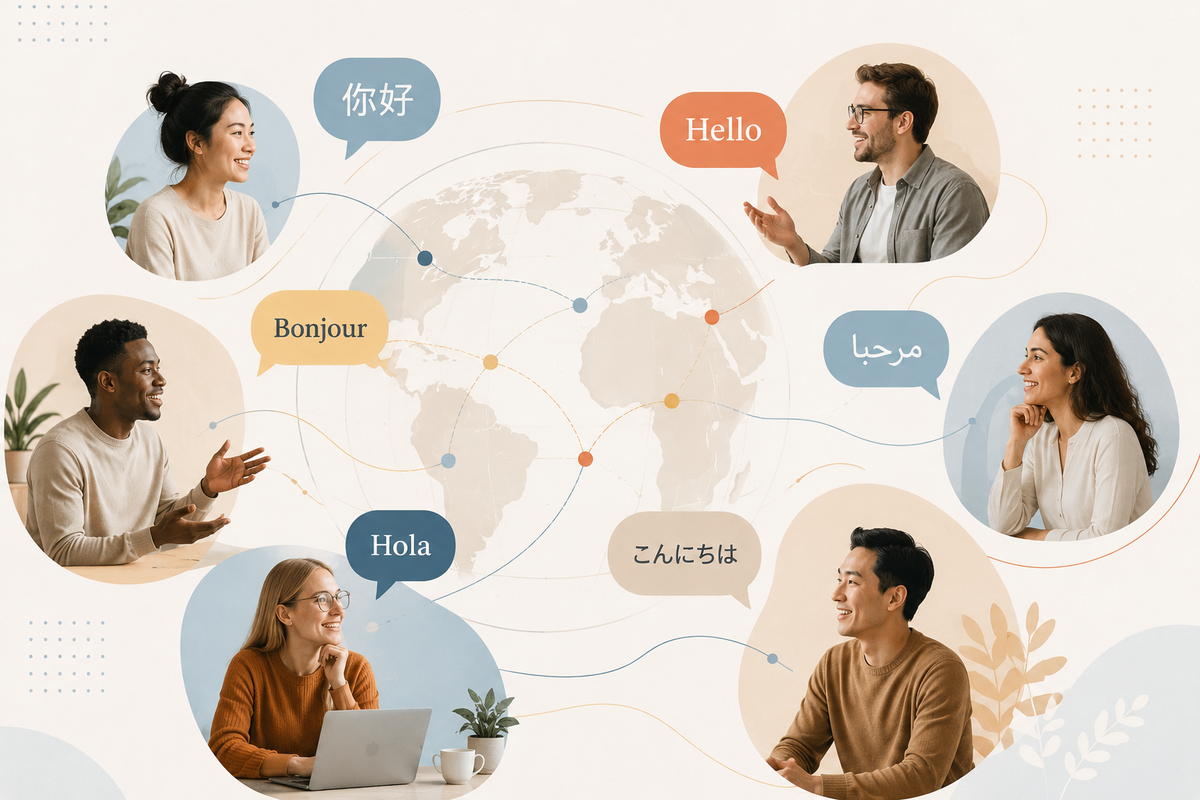
In today's digital world, having a multilingual website is no longer a luxury — it's an expectation. But here's what we've come to believe after working in this space: true global communication goes far beyond translating words from one language into another.
The most effective websites don't just translate content. They create experiences that feel natural, relevant, and trustworthy to every visitor.
At Eunethis, we see language as only one part of communication. Culture, tone, accessibility, and user experience all shape how audiences connect with your brand online — and getting that right takes a lot more than a translation plugin.
Translation Is the Beginning — Not the Destination
Many organizations invest in translation tools expecting instant global reach. And while machine translation has improved dramatically, users still notice when content feels generic, awkward, or disconnected from their local reality.
A website that truly "speaks" to its audience goes deeper. It considers cultural nuances and regional preferences, localized imagery and messaging, tone and communication style, accessibility standards across markets, and the small but telling details like currency formats, date conventions, and regional terminology.
The difference may seem subtle. But it directly impacts trust, engagement, and conversion.
Why Localization Matters
Think about visiting a website that technically uses your language — but still feels foreign. The wording might be correct, yet the examples, visuals, or calls-to-action just don't land. Visitors notice these things immediately, even if they can't always articulate why.
Localization helps organizations build credibility with international audiences, improve engagement and retention, increase conversions, and support inclusive digital experiences. For nonprofits, educational institutions, healthcare providers, and global businesses alike, it sends a clear message: we respect the people we're trying to reach.
Designing for Human Connection
A truly seamless multilingual website requires thoughtful collaboration — between content strategy, UX design, accessibility, and technical implementation. From our experience, a few principles consistently make the difference:
Technology Helps — But Strategy Leads
AI-powered translation tools can absolutely accelerate workflows. But successful multilingual websites still require human insight. We've seen what happens when technology is expected to do all the heavy lifting — and the results rarely feel personal.
The strongest digital experiences combine smart automation with human review, strategic UX design, cultural awareness, and accessibility-first thinking. That balance is what turns a translated website into one that actually connects.
The Future of Global Digital Experiences
As more organizations expand internationally, users will increasingly expect websites to adapt intelligently to their needs. Those who invest in thoughtful localization today will be far better positioned to build trust tomorrow.
Going beyond translation means creating digital spaces where people feel understood — regardless of language, location, or background.
Because effective communication isn't just about speaking to your audience. It's about making them feel like you're speaking with them.